⏱ 2 min de lectura
Before investing in specific modifications, it helps to do a full walkthrough of the home to identify potential safety concerns. Use this checklist room by room.
Entryway
- Is there a ramp or step-free entrance?
- Is outdoor lighting sufficient at night?
- Are handrails present on any exterior steps?
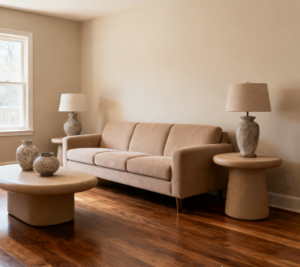
Living Room
- Are walking paths free of clutter, cords, and loose rugs?
- Is furniture arranged to allow easy movement with a walker or wheelchair?
- Are frequently used items within easy reach?
Kitchen
- Are commonly used items stored at accessible heights?
- Is there adequate lighting over key work areas?
- Are floors non-slip, especially near the sink and stove?
Bathroom
- Are grab bars installed near the toilet and shower/tub?
- Is the flooring non-slip when wet?
- Would a walk-in tub or shower improve safety? (See our comparison guide.)
Bedroom
- Is the bed at an appropriate height for safe transfers?
- Is there a clear, well-lit path to the bathroom at night?
- Would bed rails or an adjustable bed improve safety and comfort?
Staircases
- Are handrails present and secure on both sides?
- Is a stairlift needed for safe access between floors?
- Are stair edges clearly visible, especially for those with vision changes?
Frequently Asked Questions
Who can help perform a professional home safety assessment?
Occupational therapists and certified aging-in-place specialists (CAPS) are trained to conduct comprehensive home safety evaluations.
How often should a home be reassessed?
It’s a good idea to reassess annually, or whenever there’s a significant change in mobility, vision, or health status.
Where should I start if the budget is limited?
Focus first on the highest fall-risk areas — typically the bathroom and staircases — before addressing other rooms.