Video doorbells and home security cameras offer an easy way to improve safety for seniors aging in place, while also helping prevent scams and unwanted visitors.
Benefits of Video Doorbells for Seniors
- Allows seniors to see and speak with visitors without needing to walk to or open the door.
- Helps identify and avoid potential scam visitors or solicitors.
- Provides family members the ability to check deliveries or visitors remotely.
Benefits of Indoor Security Cameras
- Allows family caregivers to check in on a loved one’s general wellbeing remotely.
- Can help detect unusual patterns, such as extended time without movement.
- Provides peace of mind for families who live far away.
Privacy Considerations
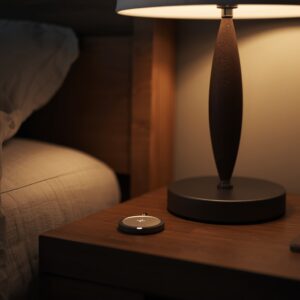
It’s important to have an open conversation with the senior about camera placement and usage. Cameras are generally best placed in common areas (entryways, living rooms) rather than private spaces like bedrooms or bathrooms, to balance safety with dignity and privacy.
Key Features to Look For
- Two-way audio: Useful for both doorbell and indoor camera communication.
- Motion alerts: Notifies family members of activity in real time.
- Night vision: Important for monitoring during evening hours.
- Cloud or local storage: Determines how footage is saved and for how long.
Frequently Asked Questions
Do video doorbells require Wi-Fi?
Yes, most video doorbells and smart cameras require a stable home Wi-Fi connection to function properly.
Are indoor cameras an invasion of privacy?
This depends on placement and family agreement — open communication about camera use and location is important for maintaining trust and dignity.
Can these devices alert me if my parent hasn’t moved in a while?
Some smart camera and sensor systems include activity pattern monitoring that can send alerts for unusual inactivity, though this varies by product.